When the music stops
Stefan Müller-Altermatt, National Councillor for the Centre party in the canton of Solothurn and President of the Swiss Music Council, knows what he is talking about: he played the French horn in the Swiss Army band for many years. Today, he campaigns in the political arena to protect the performing arts. In this interview, he urgently warns about the consequences of the so-called SRG halving initiative, explaining why it is about much more than just media policy.
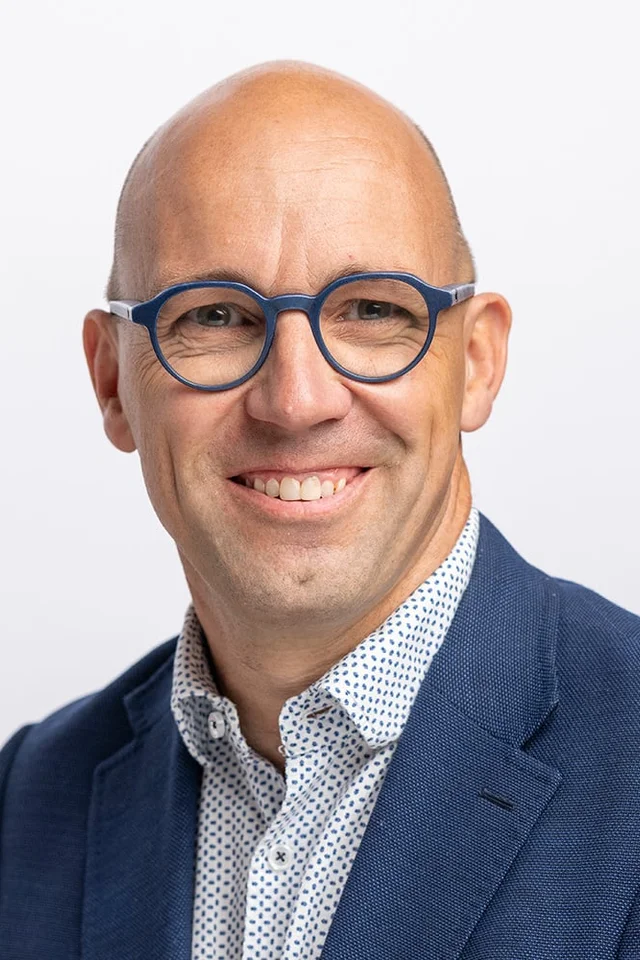
Sinfonieorchester Basel (SOB): Mr Müller-Altermatt, why is the Swiss Music Council campaigning against the halving initiative?
Stefan Müller-Altermatt (SMA): Because music needs publicity. If the SRG only had half as much funding, countless concert broadcasts, radio programmes, portraits and features about musicians would disappear. The important media voice that Swiss musical life relies on today would largely fall silent. This would affect not only large orchestras, but also choirs, ensembles, and young talent formations.
SOB: When people think of the initiative, they tend to think of news or entertainment programmes rather than music. Why is it so controversial in terms of cultural policy?
SMA: Because culture is hardly represented in the private media. Cultural journalism is already a rare commodity today. If SRG has to make significant cuts, it will be precisely those areas that do not bring in ratings that will be affected: classical music, jazz, folk music and new music. Without this coverage, audiences will lose touch with a key part of our identity.
SOB: Some argue that the music scene should market itself more effectively. Is that realistic?
SMA: Professional music needs publicity, and that doesn't just happen by itself. A symphony concert in Basel doesn't just happen; it's promoted, talked about and publicised. The SRG is the backbone of this. If you break that backbone and halve its budget, the system will break down in many places.
SOB: What exactly is at stake?
SMA: Cultural promotion only works when all the elements come together: funding, education, performance spaces and media presence. If one of these elements is removed, the whole thing becomes unbalanced. The halving initiative would attack this balance, and ultimately the cultural cohesion of our country too.
SOB: What would you like to see from our audience?
SMA: We would like them to recognise that this initiative affects us all, even if we don't watch or listen to SRF every day. Their support will be crucial in determining whether music in Switzerland continues to be heard, seen and understood, or disappears into silence.